Bundle Anything & Save
Up to 20% off sitewide
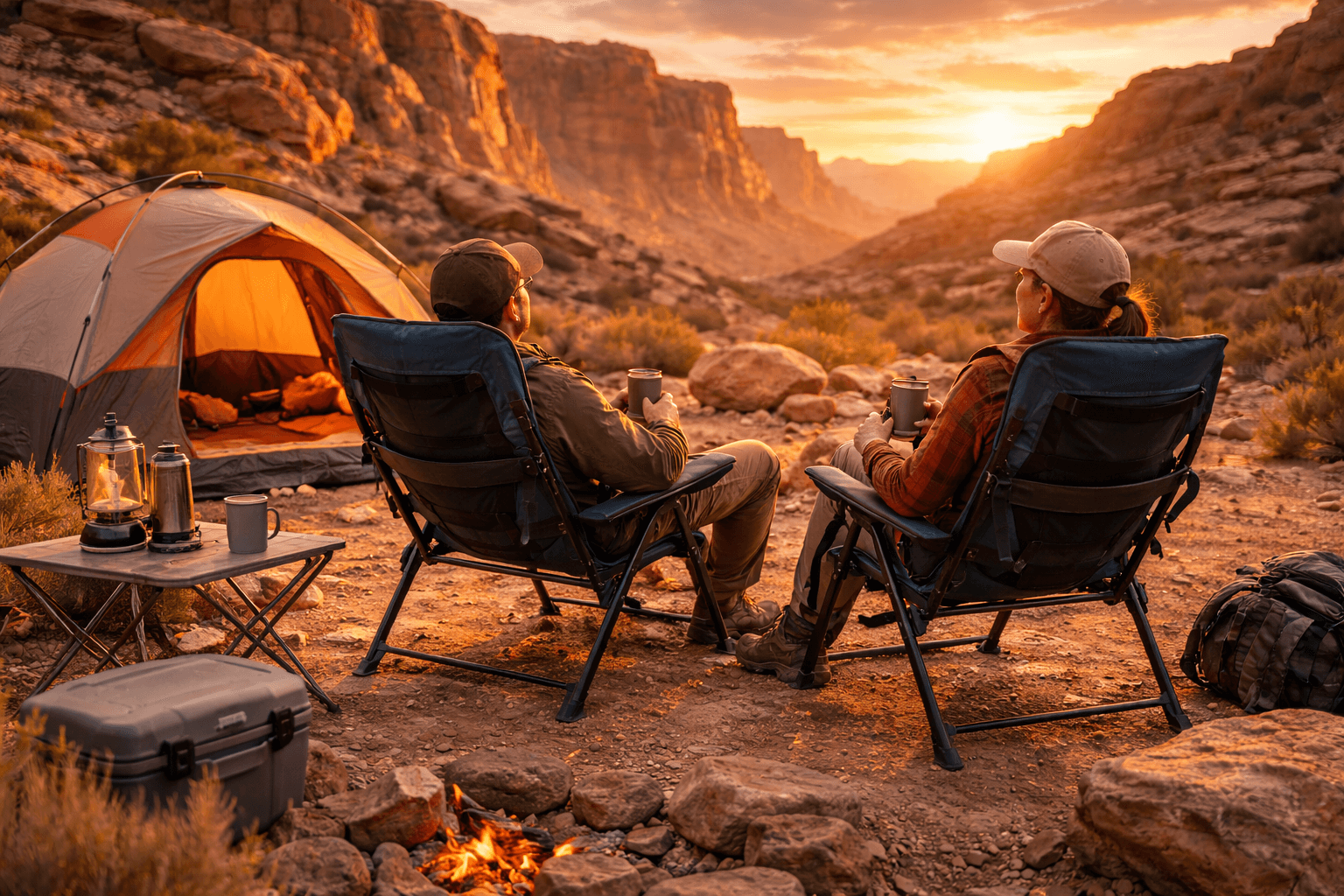
Camping should be relaxing — but if you suffer from back pain, the wrong camping chair can quickly turn a peaceful trip into an uncomfortable experience.
The good news? Back pain doesn’t mean you have to give up camping chairs.You just need to know what to look for.
In this guide, we’ll explain how to choose the best camping chair for a bad back, what features truly matter, and which common mistakes to avoid.
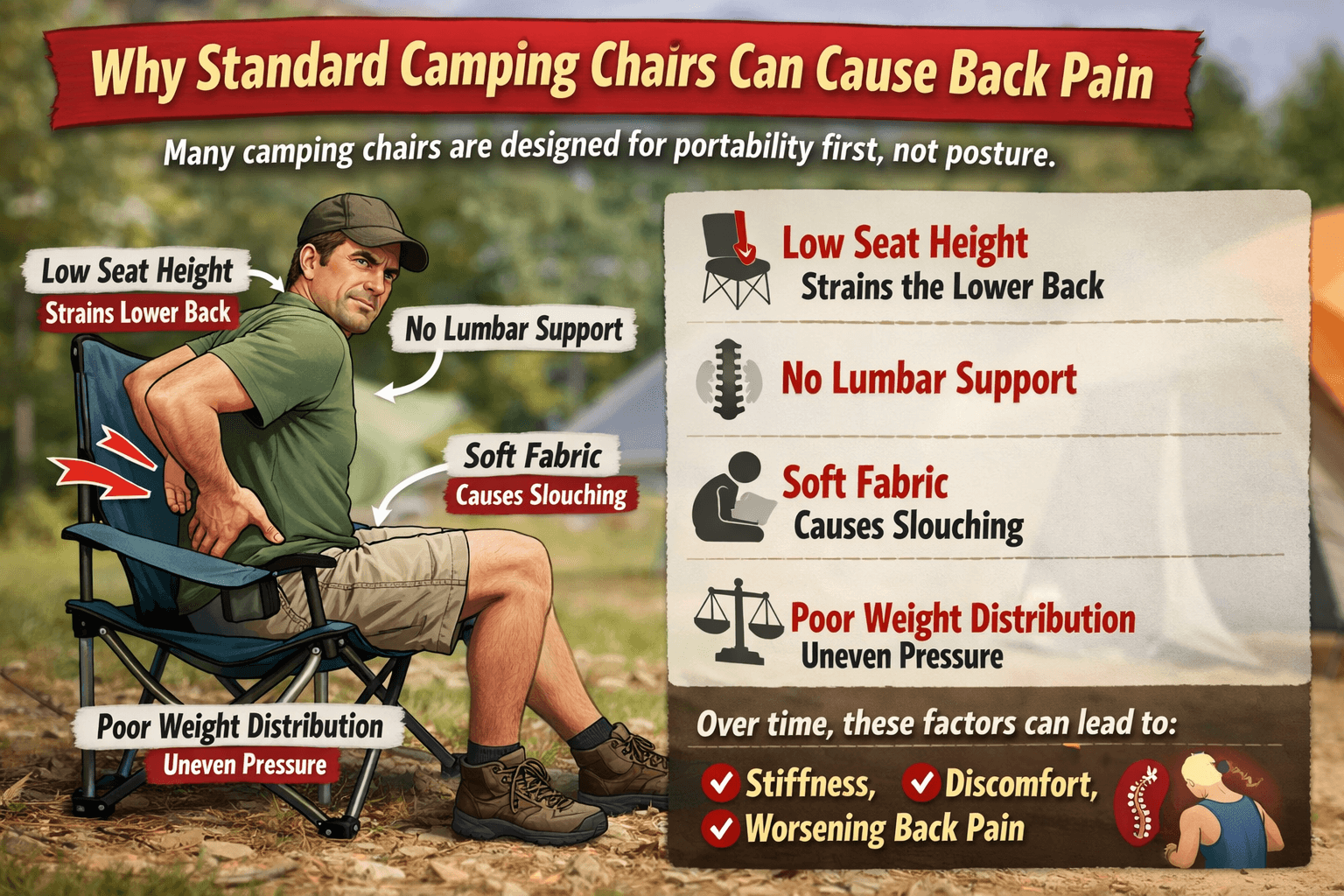
Many camping chairs are designed for portability first, not posture.
Common issues include:
Low seat height that strains the lower back
Lack of lumbar support
Soft fabric that causes slouching
Poor weight distribution
Over time, these factors can lead to stiffness, discomfort, or worsening back pain — especially during long sitting sessions.
If back support is a priority, these features matter far more than weight or price.
A chair that sits too low forces your knees upward and tilts your pelvis, increasing pressure on the lower back.
Look for:
Seat height close to a standard chair
Feet resting flat on the ground
Easy sit-down and stand-up motion
This is especially important for older campers or anyone with lower back issues.
Low-back-only chairs may look compact, but they rarely provide enough support for extended sitting.
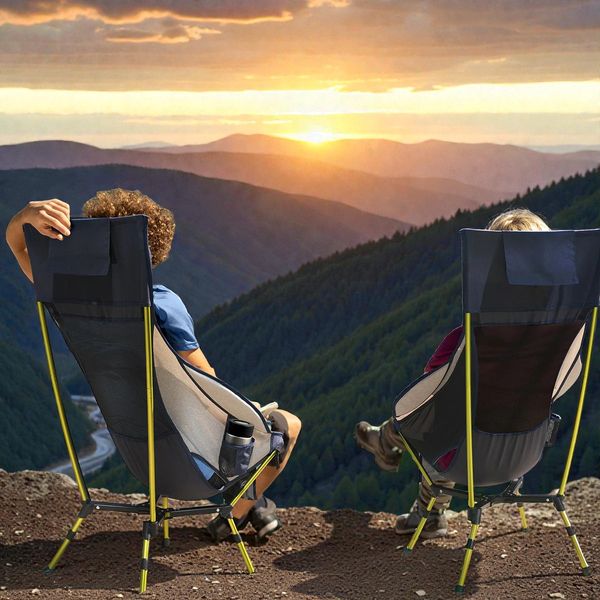
A high backrest helps:
Support the spine in a neutral position
Reduce shoulder and upper-back tension
Improve overall sitting posture
If your chair supports only your lower back, your upper body will compensate — often leading to fatigue.
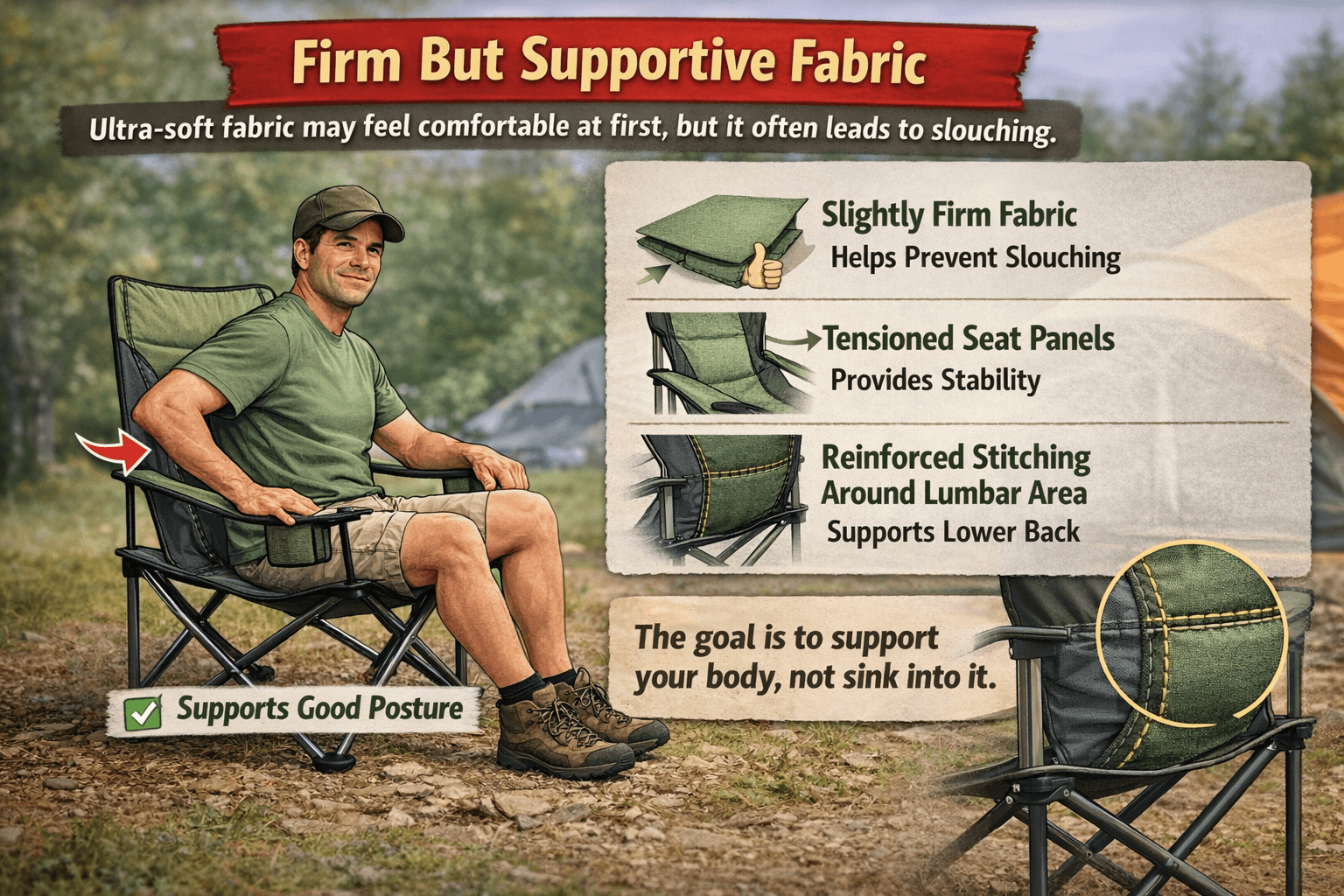
Ultra-soft fabric may feel comfortable at first, but it often leads to slouching.
Better options include:
Slightly firm fabric
Tensioned seat panels
Reinforced stitching around the lumbar area
The goal is to support your body, not sink into it.
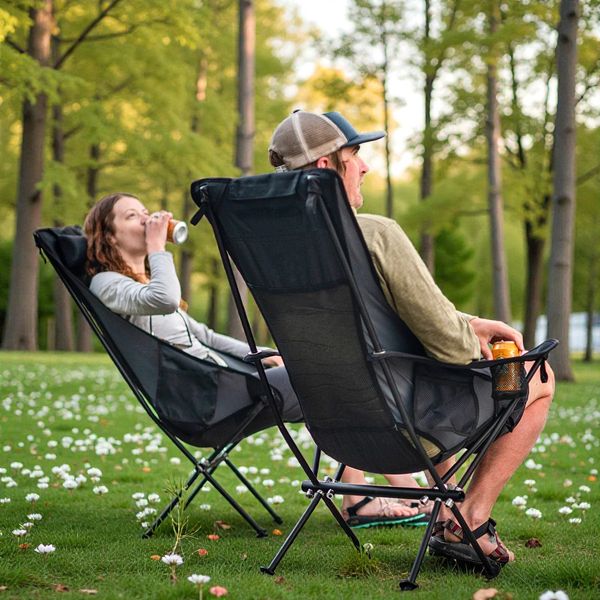
Armrests aren’t just for comfort — they reduce spinal load.
Good armrests:
Help distribute body weight
Make standing up easier
Reduce strain on the lower back
Chairs without armrests may increase pressure on your spine, especially after long periods of sitting.
A chair that wobbles forces your muscles to constantly adjust.
Choose a chair with:
A stable frame
Wide leg placement
Strong joints or crossbars
Stability equals relaxation — and less muscle tension.
When dealing with back pain, some popular features are overrated.
Ultralight weight (often sacrifices support)
Low-profile designs (more strain on the back)
Extreme compactness
Comfort and posture should always come before portability if back health is your concern.
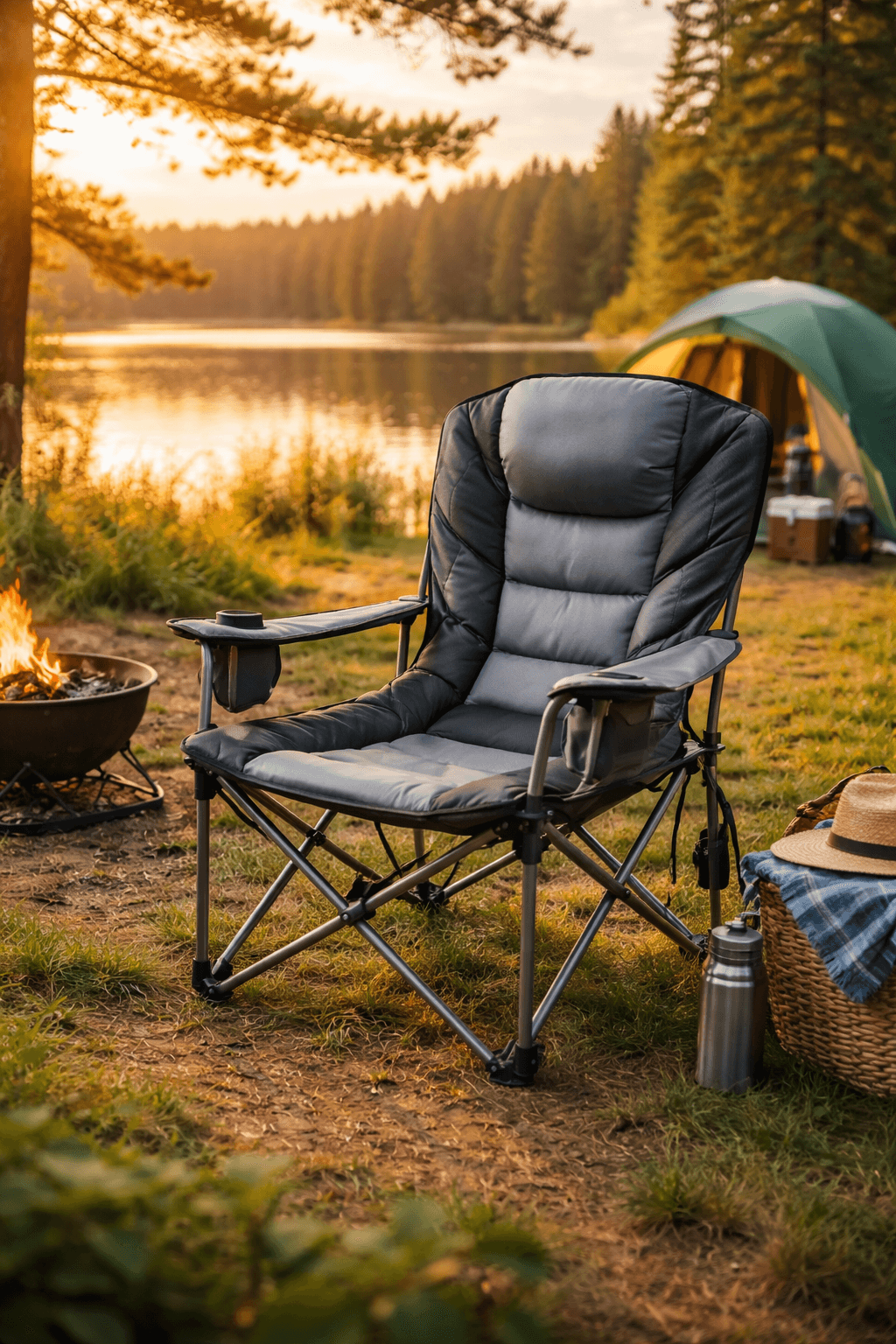
Instead of specific products, focus on chair categories that consistently perform better.
Upright posture
Better spinal alignment
Suitable for long sitting sessions
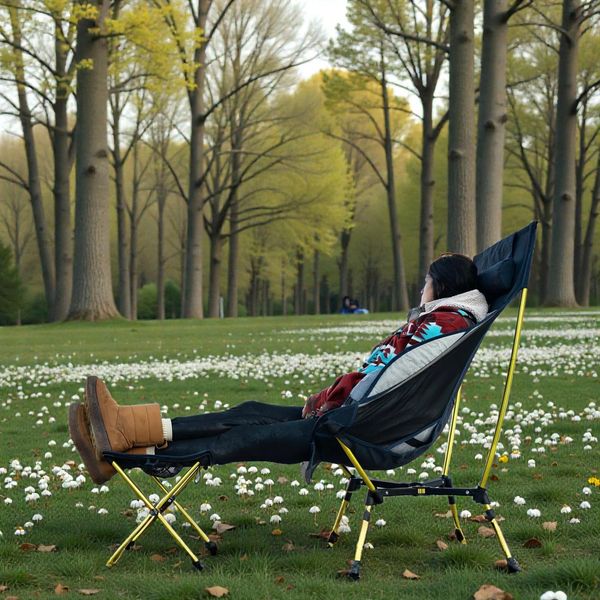
Can reduce spinal pressure
Best for short relaxation periods
Difficult to get in and out of
Minimal back support
Increased strain on the lower back
Even with the right chair, posture matters.
Sit all the way back in the chair
Keep both feet flat on the ground
Avoid slouching forward for long periods
Take short standing or walking breaks
Small adjustments can make a big difference over time.
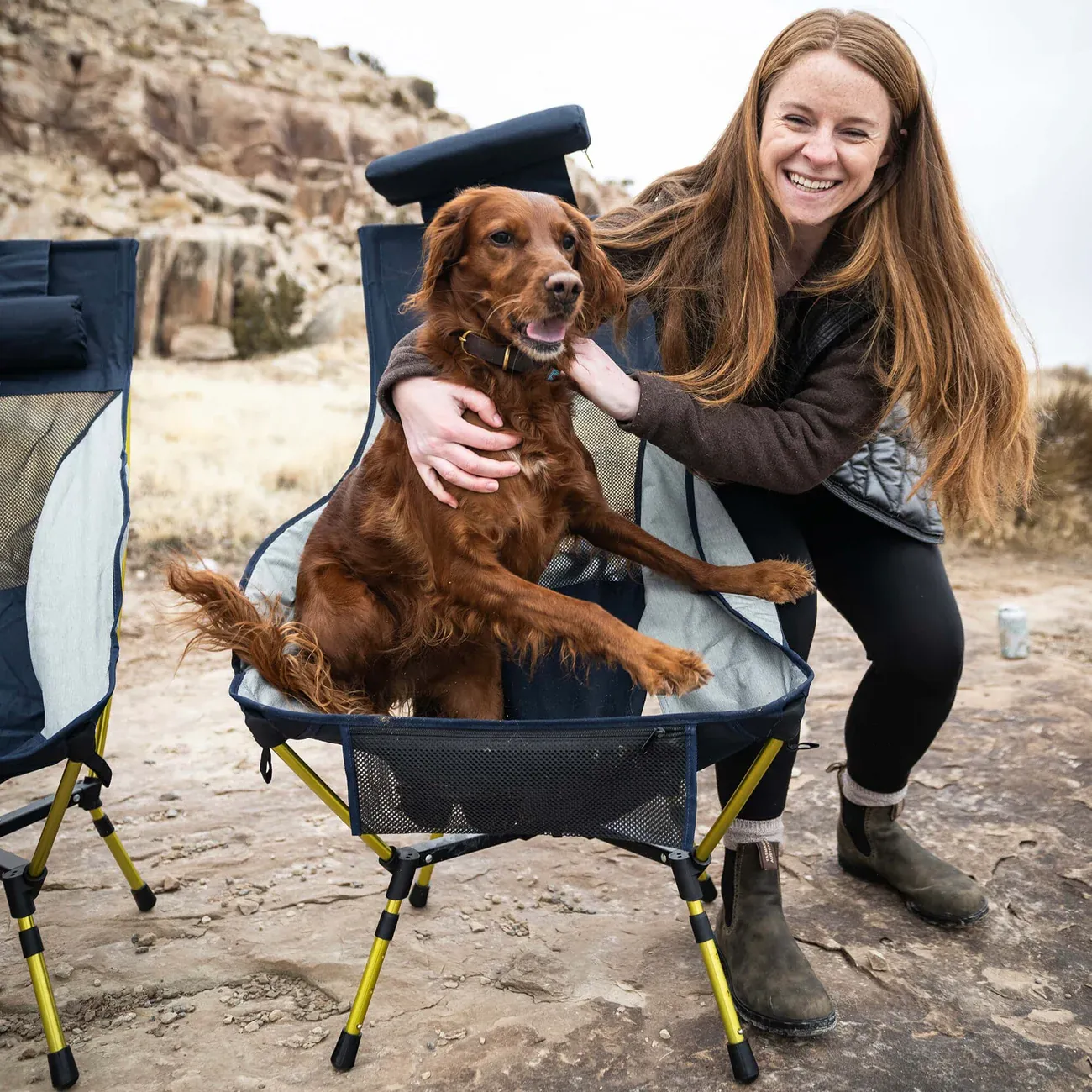
If you experience back pain, the best camping chair for you is the one that supports your posture, not the one that packs the smallest.
A supportive camping chair can:
Reduce discomfort
Improve relaxation
Let you enjoy longer, more comfortable outdoor trips
And if you’re still deciding which chair suits your camping style overall, you may find this guide helpful:👉 How to Choose the Right Camping Chair
Your back will thank you.