Bundle Anything & Save
Up to 20% off sitewide
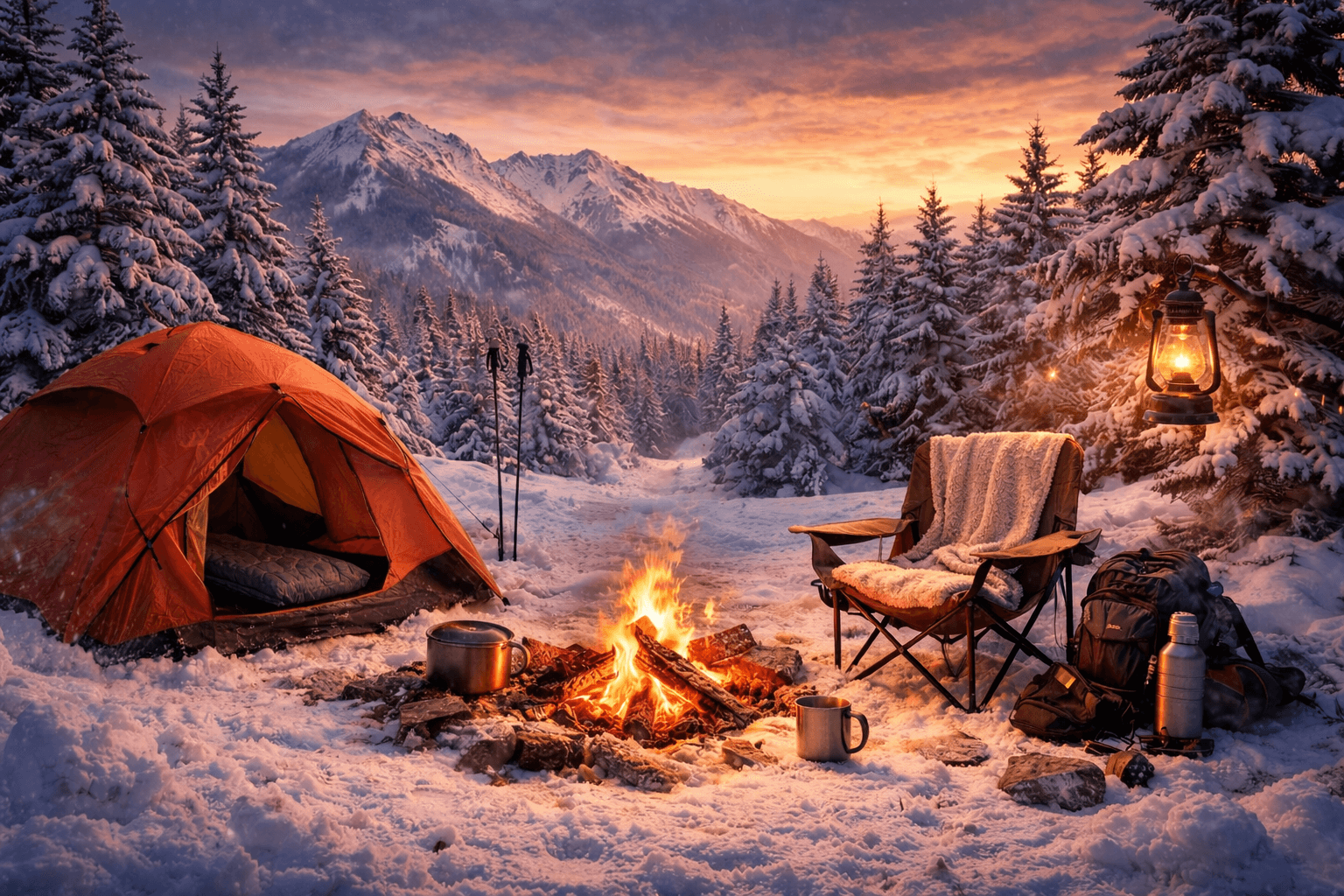
Winter is one of the most beautiful seasons to explore the outdoors—but it is also the most unforgiving. Cold wind, deep snow, and short daylight hours can turn a simple trip into a survival challenge if you are not prepared.
Whether you are winter camping, hiking in snowy mountains, or simply spending time outdoors in freezing temperatures, knowing how to stay warm, dry, and safe can make the difference between an unforgettable adventure and a dangerous situation.
This guide covers the core winter survival basics that every outdoor traveler should understand.
In cold environments, everything comes down to three things:
Protection from wind and snow
Keeping your body warm
Maintaining enough energy and hydration
If any one of these fails, problems begin quickly. Cold drains strength faster than most people expect, and small mistakes—like sitting on snow too long or wearing damp clothes—can have serious consequences.
One of the biggest mistakes people make in winter is dressing too lightly or relying on a single heavy jacket. The better approach is layering.
A good system includes:
A base layer that pulls moisture away from your skin
An insulating layer that traps heat
An outer layer that blocks wind and snow
Your hands, feet, and head deserve just as much attention. Cold fingers make simple tasks harder, and wet socks can ruin an entire trip. Always carry spare gloves and socks in a waterproof bag.
Avoid cotton clothing whenever possible. Once cotton gets wet, it stays wet—and in winter, wet means cold.
In winter survival, moisture is your enemy. Sweat, snow, and condensation all steal heat from your body.
Some simple habits help a lot:
Change clothes if you sweat too much
Shake snow off your gear before entering your shelter
Never sit directly on frozen ground
Use insulated pads or folded clothing as a barrier
Many cold-weather injuries begin with damp clothing and ignored discomfort. Staying dry is not about comfort—it is about survival.
Wind is often more dangerous than temperature. A strong wind can strip heat from your body in minutes.
If you are using a tent, choose a spot protected by trees, rocks, or terrain. If you must build a shelter, look for natural features that block wind and trap warmth.
A good shelter should:
Keep snow and wind out
Insulate you from the ground
Allow some airflow to prevent moisture buildup
Never seal yourself inside completely. Poor ventilation can lead to dangerous air quality, especially if you use any heat source.
A fire in winter is not just for warmth. It provides:
Light
A way to dry clothes
A way to melt snow for water
Psychological comfort
Starting a fire in snow takes practice. Dry materials are harder to find, so always carry your own fire starter. Build the fire on wood or rocks instead of directly on snow, and collect more fuel than you think you need before nightfall.
When everything around you is cold and silent, a steady fire can keep both your body and your mind functioning.
Cold suppresses thirst and appetite, but your body needs more fuel in winter than in summer.
High-energy foods work best:
Nuts and trail mix
Cheese and cured meat
Energy bars
Hot meals when possible
Water should never be ignored. Melt snow before drinking and keep bottles insulated so they don’t freeze solid overnight. Turning bottles upside down helps, since ice forms at the top first.
Dehydration and low energy make cold injuries much more likely.
Hypothermia and frostbite rarely happen suddenly. They begin with small symptoms that are easy to ignore.
Pay attention to:
Uncontrolled shivering
Slurred speech
Clumsiness
Numb fingers or toes
Pale or hard skin
If these appear, stop what you are doing and warm up immediately. Add layers, drink something warm, and get out of the wind.
Ignoring early signs is one of the most common mistakes in winter travel.
Winter days are short, and weather can change fast. A clear trail in the morning can disappear under snow by afternoon.
Always carry:
A headlamp or lantern
Extra batteries
A map or compass as backup
If visibility becomes poor, it is often safer to stop and set up shelter than to continue moving blindly.
Knowing when to stop is part of survival.
Cold challenges the mind as much as the body. Fatigue, fear, and frustration lead to poor decisions.
Strong survival habits include:
Staying calm
Working step by step
Keeping a routine (fire, food, rest)
Avoiding panic
People who survive difficult winter conditions are usually not the strongest—they are the most patient and focused.
Every winter trip should include basic safety gear:
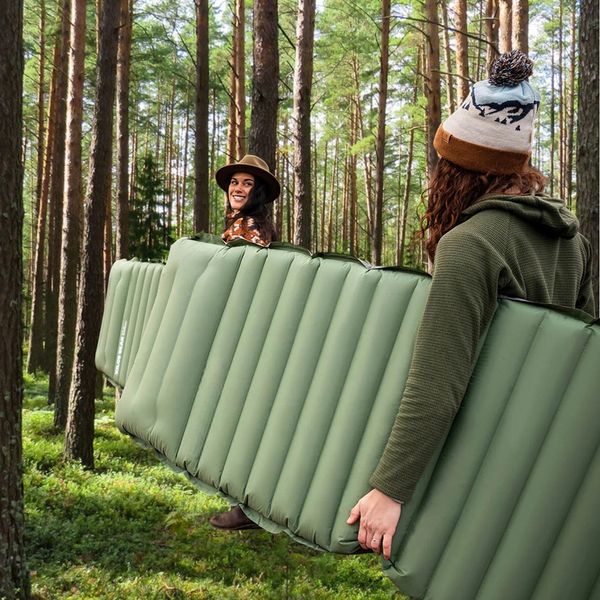
Insulated sleeping pad or mat
Shelter or emergency blanket
Light source
Fire-starting tools
Warm spare clothing
High-calorie food
Water container
First aid kit
Knife or multi-tool
Waterproof storage bags
Good equipment does not replace skill, but it gives you time and margin when conditions turn bad.
Winter can be tough, but with the right preparation, it turns into an adventure you’ll remember. Dress in layers, keep dry, and pay attention to your body and surroundings to enjoy the outdoors safely.
Surviving the cold isn’t about fighting nature—it’s about respecting it. With some planning and awareness, even the chilliest days can bring memorable moments in the snow.
Embrace winter, prepare carefully, and let the season reward you with unique experiences.